Company Logo

What Are the Requirements for a Study Visa in Italy?

WEFRU2593281606202
Scan to visit website

Scan QR code to visit our website

Blog by What Are the Requirements for a Study Visa in Italy? | Digital Diary

" To Present local Business identity in front of global market"

Meri Kalam Se
Digital Diary Submit Post What Are the Requirements for a Study Visa in Italy?

University of Turin Acceptance Rate For Indian Students

University of Turin Acceptance Rate For Indian Students
The University of Turin, also known as the University of Torino or Università degli Studi di Torino, is a public university located in Turin, Italy. It offers undergraduate, postgraduate, and research programmes across disciplines such as business, economics, science, medicine, humanities, and engineering-related fields. Students researching the University of Turin acceptance rate should understan... Read More
The University of Turin, also known as the University of Torino or Università degli Studi di Torino, is a public university located in Turin, Italy. It offers undergraduate, postgraduate, and research programmes across disciplines such as business, economics, science, medicine, humanities, and engineering-related fields. Students researching the University of Turin acceptance rate should understand that the university does not publish a single official acceptance rate covering all its programmes.  Admission competitiveness depends on the course, number of available places, applicant qualifications, and selection requirements. What Is the University of Turin Acceptance Rate? There is no verified official university-wide acceptance rate available for the University of Turin. Figures published on third-party websites may be estimates and should not be treated as confirmed admission statistics. The university follows different admission procedures depending on the programme. Open-access programmes: Applicants must satisfy the stated eligibility requirements. Some undergraduate programmes require a TOLC test to assess minimum academic preparation. Restricted-access programmes: Admission is limited to a specified number of places, and applicants may be ranked using entrance examination results or other selection criteria. Master's programmes: Applicants must meet academic eligibility requirements and may undergo an assessment or interview, depending on the course. Therefore, the best way to assess your admission chances is to review the requirements for your chosen programme rather than rely on a general acceptance-rate estimate. Admission Requirements for International Students International applicants must meet the academic and language requirements established by the university and their selected degree programme. Undergraduate Admission Students generally need a recognised secondary school qualification that provides access to university-level education in their home country. The university assesses foreign qualifications to determine whether they meet Italian admission standards. Some programmes require an entrance test, while others have additional course-specific requirements. Master's Degree Admission Applicants generally need a relevant bachelor's degree or an equivalent qualification. The university may assess previous coursework, academic performance, subject knowledge, and language proficiency. Certain programmes may require a CV, motivation letter, recommendation letters, an interview, or other supporting documents. Language Requirements English-taught programmes may require proof of English proficiency according to the course's rules. Italian-taught programmes may require Italian-language certification. Check the official programme page to confirm accepted tests, minimum scores, and any exemptions. How to Apply to the University of Turin International students holding foreign qualifications generally apply through the university's official application platform, Apply@UniTo, unless an exemption applies. The typical application process includes: Choose a suitable undergraduate or postgraduate programme. Review the admission requirements and application deadline. Prepare academic transcripts, certificates, and a valid passport. Provide language test results and other required documents. Submit the application through the specified platform. Complete any required entrance test, assessment, or interview. Follow the university's instructions after receiving an admission decision. For the 2026–27 academic year, the university listed a €60 application fee for the relevant international application process, allowing applicants to select up to two programmes. Fees and deadlines may change, so verify the current information before applying. Courses and Study Opportunities The University of Turin offers a broad range of academic programmes. International students can explore fields such as: Business administration and economics. Finance and data-related disciplines. Biological and natural sciences. Medicine and health sciences. Humanities and social sciences. International relations and related subjects. The university also offers English-taught degree programmes. Availability and entry requirements vary by course and academic year. How to Improve Your Admission Chances Although no single acceptance rate can determine your chances, careful preparation can strengthen your application. Choose a programme that matches your previous academic qualifications. Review the curriculum and specific entry requirements. Maintain strong academic records. Prepare language proficiency results if required. Submit complete and accurate documentation before the deadline. Prepare for entrance examinations or interviews where applicable. Meeting the minimum requirements does not guarantee admission to programmes with limited places. How YES Italy Can Help Students interested in studying in Italy can seek guidance from YES Italy on profile evaluation, course selection, university applications, scholarship opportunities, document preparation, pre-enrolment, and student visa procedures. The suitability of the University of Turin depends on each student's academic background, chosen programme, budget, and career plans. Applicants should verify all admission decisions and requirements directly with the university. Conclusion The University of Turin acceptance rate cannot be represented by a reliable, officially published university-wide percentage. Admission depends on the programme, academic eligibility, available places, and selection procedure. Students should focus on course-specific admission requirements, prepare their documents carefully, and follow the official application calendar. Reviewing the university's published guidance is the most reliable way to understand the admission process and plan an application. Get in touch :- Company name :- YES Italy Contact No :- 9353008300 Email :- [email protected] Address :- 5th floor 501, Crescent Business Square, Khairani Rd, opposite Andheri East, Nair Wadi, Saki Naka, Mumbai, Maharashtra 400072
Read Full Blog
[email protected] 24 Oct 2026 125 Views

Lazio DiSCo Scholarship Requirements for Indian Students

Lazio DiSCo Scholarship Requirements for Indian Students
The Lazio DiSCo Scholarship is a regional financial support programme for eligible university students studying in Lazio, Italy. Understanding the Lazio DiSCo scholarship requirements before applying can help students prepare their documents and avoid common mistakes. International students, including Indian students, may be eligible to apply if they plan to study at a participating university or... Read More
The Lazio DiSCo Scholarship is a regional financial support programme for eligible university students studying in Lazio, Italy. Understanding the Lazio DiSCo scholarship requirements before applying can help students prepare their documents and avoid common mistakes. International students, including Indian students, may be eligible to apply if they plan to study at a participating university or higher education institution in the Lazio region. However, eligibility depends on several factors, including family financial circumstances, academic progress, enrolment status, and the conditions specified in the annual call for applications. What Is the Lazio DiSCo Scholarship? Lazio DiSCo is the regional agency responsible for supporting the right to higher education in Lazio. The region includes Rome and other university locations. Depending on the annual call and a student's eligibility, available benefits may include: Financial scholarships. University accommodation. Subsidised or discounted meals. Contributions towards eligible international mobility. Certain graduation-related awards. Not every applicant receives every benefit. Awards and services depend on the relevant eligibility conditions, ranking, availability, and annual funding. Lazio DiSCo Scholarship Eligibility Requirements Students must satisfy the financial, academic, and administrative conditions specified in the official call. 1. Enrolment at an Eligible Institution Applicants must be enrolled, or intend to enrol, in an eligible degree programme at a participating university or higher education institution in Lazio. The 2026–27 call allowed students to submit an application before finalising university enrolment. However, applicants must complete enrolment within the applicable deadline to access the relevant benefits. Students should confirm that their chosen institution and programme are covered by the scholarship scheme. 2. Financial Eligibility Financial circumstances are an important factor in determining eligibility. The assessment considers the applicant's family economic situation according to the rules established in the annual call. Italian applicants generally use the applicable ISEE documentation. International students whose families have income or assets abroad may need equivalent financial documentation for international applicants, often referred to as ISEEUP or equivalent documentation. The required income and asset documents can vary according to the applicant's circumstances and the applicable rules. Students should review the current call to understand the financial thresholds, calculation method, and certification process. 3. Academic Merit Requirements Academic merit requirements depend on the student's year of study and degree level. First-year students may initially qualify based on financial and administrative eligibility, but they generally need to obtain the required number of academic credits by the specified deadline to retain the full scholarship benefit. Students applying for later years must usually meet minimum credit requirements established for their course and year of enrolment. Applicants should check the official rules carefully because failing to meet the required academic progress may lead to a reduction, loss, or repayment of benefits. 4. International Student Eligibility International students can apply if they satisfy the conditions in the annual call and attend an eligible institution in Lazio. Students applying from India should pay particular attention to the preparation of family income and asset documents. Documents may need translation, legalisation, certification, or other formalities depending on the rules applicable to the country of origin and the specific application. A university admission offer alone does not guarantee scholarship eligibility. Documents Required for the Lazio DiSCo Scholarship The exact document list depends on the applicant's circumstances and the annual call. International applicants may need to prepare: Valid passport or other accepted identity document. Family composition certificate or equivalent document. Proof of family income for the relevant financial year. Documents showing property ownership or the absence of property, where required. Information about financial assets, where applicable. Certified translations and legalisation or other authentication required by the rules. University enrolment or admission information, where applicable. Academic records or credit information for students applying for later years. Additional declarations or documents requested by DiSCo. Students should not assume that ordinary bank statements or self-declarations will replace official financial documentation. Check the applicable instructions before submitting documents. How to Apply for the Lazio DiSCo Scholarship The application process generally involves the following steps: Step 1: Check the annual call. Read the official scholarship announcement and identify the eligibility conditions, benefits, deadlines, and required documents. Step 2: Prepare financial documents. International applicants should begin collecting family income and asset records early because translations and certification can take time. Step 3: Register on the official portal. Create or access the relevant student account and complete the application using the information requested. Step 4: Submit the application correctly. Check all details before submission and follow any instructions for corrections or additional documents. Step 5: Monitor rankings and notifications. Review the provisional and final ranking lists and check whether your application is classified as a winner, eligible, or ineligible. Step 6: Complete enrolment and other formalities. Follow the deadlines for university registration, financial documentation, accommodation acceptance, and any other requirements relevant to your award. Lazio DiSCo Scholarship Deadline for 2026–27 For the 2026–27 academic year, the main application phase began on 10 June 2026, with the first submission deadline set for 22 July 2026. The subsequent modification phase closed on 11 August 2026. As of 23 October 2026, the main application window has closed. Students who already applied should check their application status and follow the official instructions for completing the process. The published guidance also specifies the following enrolment deadlines: 10 December 2026: Final deadline associated with the accommodation benefit. 10 February 2027: Final deadline associated with the scholarship and international mobility contribution. These are enrolment-related deadlines, not an extension of the main scholarship application window. Always check the official DiSCo portal for updates and requirements specific to your application. Common Mistakes to Avoid Students should avoid submitting incomplete financial documents, overlooking translation requirements, missing application deadlines, or assuming that university admission automatically qualifies them for funding. It is also important to understand the difference between being eligible for a scholarship and being declared a winner. An eligible applicant may not receive funding immediately if the available budget is insufficient. Keep copies of submitted documents and regularly check the official portal for messages and ranking updates. How YES Italy Can Help Students planning to study in Italy can seek guidance from YES Italy on university selection, admissions, scholarship opportunities, application documentation, pre-enrolment, and student visa preparation. For the Lazio DiSCo Scholarship, applicants should confirm the latest financial documentation requirements and eligibility conditions directly through the official scholarship authority. Careful preparation can help students understand the process and submit more complete applications. Conclusion The Lazio DiSCo Scholarship can provide valuable financial assistance to eligible students pursuing higher education in Italy's Lazio region. The main requirements involve enrolment at an eligible institution, financial eligibility, academic progress where applicable, and correct documentation. International students should begin preparing family income and asset records early and follow the official annual call carefully. Since deadlines and eligibility rules can change, use the official DiSCo website as the primary source of information before making application decisions. Get in touch :- Company name :- YES Italy Contact No :- 9353008300 Email :- [email protected] Address :- 5th floor 501, Crescent Business Square, Khairani Rd, opposite Andheri East, Nair Wadi, Saki Naka, Mumbai, Maharashtra 400072

Read Full Blog
[email protected] 23 Oct 2026 180 Views

MBBS in Italy for Indian Students Fee Structure for students

MBBS in Italy for Indian Students  Fee Structure for students
Italy is an option for Indian students who want to study medicine in Europe. Several Italian universities offer six-year Medicine and Surgery programmes, including selected courses taught entirely in English. Compared with many private medical colleges in other countries, some Italian public universities have relatively affordable tuition fees. Understanding the MBBS in Italy for Indian students f... Read More
Italy is an option for Indian students who want to study medicine in Europe. Several Italian universities offer six-year Medicine and Surgery programmes, including selected courses taught entirely in English. Compared with many private medical colleges in other countries, some Italian public universities have relatively affordable tuition fees. Understanding the MBBS in Italy for Indian students fee structure is essential before applying. The total cost depends on the university, tuition category, accommodation, city, lifestyle, and eligibility for financial assistance. This guide explains the major expenses students should consider when planning to study medicine in Italy. MBBS in Italy Fee Structure for Indian Students In Italy, the medical qualification is generally offered as a six-year integrated degree called Medicine and Surgery. Tuition fees differ between public and private universities. According to the European Education Area, public university tuition fees in Italy generally range from approximately €900 to €4,000 per year, while private institutions may charge €6,000 to more than €20,000 annually. Actual medical programme fees can fall outside these general ranges, so students should check the relevant university's fee regulations. 1. Public Medical Universities in Italy Public universities are worth considering for students seeking a more affordable route to medical education. Some calculate tuition according to family income or other eligibility criteria, while others use fixed fees or country-based fee categories. Examples of public universities offering English-taught Medicine and Surgery programmes include: University of Pavia University of Bologna University of Milan Sapienza University of Rome University of Padua For budgeting purposes, students can initially investigate a tuition range of approximately €900–€4,000 per year at public universities. This is a general estimate, not a guaranteed fee for every medical programme or Indian applicant. 2. Private Medical Universities in Italy Private universities may charge substantially higher tuition fees than public institutions. They may also have their own admission tests, selection procedures, and scholarship policies. For example, Università Cattolica del Sacro Cuore lists an annual tuition fee of €18,150 for its English-taught Medicine and Surgery programme at the Rome campus. Fees can differ between private institutions and academic years. Students should compare the full course cost, payment schedule, admission requirements, and available financial support before choosing a university. Estimated Total Tuition Fees for Six Years The following table provides an illustrative estimate based on the annual tuition ranges discussed above. University category Estimated annual tuition Estimated tuition for six years Public university €900–€4,000 €5,400–€24,000 Private university €6,000–€20,000+ €36,000–€120,000+ These are planning estimates, not official quotations. Actual fees may change each academic year, and some private medical programmes charge more than €20,000 annually. Scholarships, fee reductions, and changes in eligibility can also affect the final amount. Living Expenses in Italy for Indian Medical Students Tuition is only one part of the overall budget. Students must also pay for accommodation, food, transport, study materials, health-related expenses, and personal needs. The European Education Area estimates that students in Italy typically spend around €700–€1,100 per month, depending on the city and lifestyle. Typical expenses include: Accommodation: University residences, shared apartments, or private rooms. Food and groceries: Monthly food costs depend on cooking habits and location. Transportation: Public transport passes and occasional travel. Study materials: Textbooks, stationery, and course-related supplies. Personal expenses: Mobile plans, clothing, and everyday necessities. Administrative costs: Residence permit, insurance, and other required procedures. Using the general living-cost estimate, students may need approximately €8,400–€13,200 per year. Over six years, that would equal €50,400–€79,200 if costs remained unchanged. Actual spending may be higher or lower, and inflation can increase expenses over time. Scholarships for MBBS in Italy Scholarships and financial assistance may reduce the cost of studying medicine in Italy for eligible international students. Regional Scholarships Regional authorities and student welfare organisations administer financial assistance for eligible students. Depending on the scheme, benefits may include a monetary grant, subsidised meals, accommodation support, or other student services. Eligibility often depends on household financial circumstances, academic requirements, and submission of the correct supporting documents. International applicants may need to provide translated and officially prepared family income and asset documents. University Scholarships and Fee Reductions Some universities provide financial assistance or tuition reductions under specific conditions. Availability differs by institution and course. Not every scholarship applies to medical programmes, so students should confirm whether their chosen degree is eligible. Scholarship deadlines may also be separate from university admission deadlines. Students should check the relevant official notices every academic year. Other Costs to Consider When calculating the total cost of studying medicine in Italy, Indian students should budget for more than tuition and accommodation. Additional expenses may include: Passport and document preparation. Certified translations and legalisation, where required. English-language tests, if applicable. Entrance examination preparation and registration. Student visa application expenses. Travel from India to Italy. Initial accommodation deposits and settling-in expenses. The amount varies according to personal circumstances and the university's requirements. Students should keep an emergency fund for unexpected costs. Admission Requirements for Indian Students Requirements vary by university and admission route. Applicants generally need to complete the required secondary education, meet the programme's eligibility criteria, and provide academic documents. For English-taught medical programmes at public universities, applicants may need to take the applicable entrance examination, such as the IMAT where required under that year's admission rules. Private universities may use their own selection tests. Indian students should also check the current NEET-related requirements applicable to Indian citizens planning to study medicine abroad, as well as the requirements for registration to practise medicine in India after graduation. These rules should be verified with the relevant official authorities before committing to a programme. How YES Italy Can Help Planning a medical degree abroad involves comparing universities, understanding tuition fees, checking scholarship eligibility, and preparing application documents. YES Italy helps students explore Italian education options and understand the application process. Students can seek guidance on university selection, admission requirements, scholarship opportunities, documentation, pre-enrolment, and student visa preparation. Individual eligibility and final costs should always be confirmed with the university and the relevant authorities. Conclusion The MBBS in Italy for Indian students fee structure varies according to whether a student chooses a public or private university. Public universities may offer lower tuition, while private medical programmes can involve considerably higher fees. Living expenses and other study-related costs must also be included in the budget. Before applying, compare the total six-year cost, review scholarship opportunities, and verify current admission requirements. Careful financial planning can help Indian students make an informed decision about pursuing medical education in Italy. Get in touch :- Company name :- YES Italy Contact No :- 9353008300 Email :- [email protected] Address :- 5th floor 501, Crescent Business Square, Khairani Rd, opposite Andheri East, Nair Wadi, Saki Naka, Mumbai, Maharashtra 400072

Read Full Blog
[email protected] 22 Oct 2026 137 Views

Admission Process in Italy For Indian Students

Admission Process in Italy For Indian Students
Italy is a popular destination for international students seeking quality education, internationally recognised degrees, and diverse academic opportunities. Italian universities offer undergraduate and postgraduate programmes in fields such as engineering, business management, architecture, fashion, medicine, economics, and computer science. Understanding the admission process in Italy can help st... Read More
Italy is a popular destination for international students seeking quality education, internationally recognised degrees, and diverse academic opportunities. Italian universities offer undergraduate and postgraduate programmes in fields such as engineering, business management, architecture, fashion, medicine, economics, and computer science. Understanding the admission process in Italy can help students prepare their applications and meet important deadlines. The process generally involves selecting a course, checking eligibility, submitting an application, completing pre-enrolment where required, and applying for a student visa if applicable. Students should remember that admission requirements vary by university, programme, and nationality. Planning early can make the process more manageable. Step-by-Step Admission Process in Italy 1. Choose a Course and University The first step is to identify a course that matches your academic background, interests, and career goals. Italy has public and private universities offering programmes in English and Italian. Students can explore universities such as: Politecnico di Milano University of Bologna University of Padua Sapienza University of Rome Politecnico di Torino University of Milan Before selecting a university, compare the course curriculum, teaching language, tuition fees, location, scholarship opportunities, and career prospects. The official Universitaly portal is a useful starting point for researching programmes and institutions. 2. Check Eligibility Requirements Every university sets its own admission criteria. Students should review the requirements for their chosen programme before applying. For undergraduate courses, applicants generally need a recognised secondary school qualification that meets the relevant entry requirements. For a Master's degree, students usually need a suitable Bachelor's degree in a related subject. Other requirements may include: Minimum academic scores or specific prerequisite subjects English or Italian language proficiency An entrance examination or aptitude test A portfolio for selected design, architecture, or creative programmes An interview or additional assessment for certain courses Some programmes are highly competitive and may have limited seats. Always check the official course page for the latest requirements. 3. Prepare the Required Documents Preparing documents in advance can help prevent delays during the application process. The exact list depends on the university and course, but commonly requested documents include: Valid passport Academic transcripts and mark sheets School or university degree certificates Curriculum vitae (CV), where required Statement of purpose or motivation letter English or Italian language certificate, if required Letters of recommendation, where applicable Portfolio or entrance test results, if required Some universities may request translated, legalised, or officially certified documents. Applicants may also need a Declaration of Value (DoV), a CIMEA statement, or other qualification documentation, depending on the institution's assessment and the applicable rules. 4. Submit the University Application Once your documents are ready, complete the university's application process. Many institutions use their own online admission portals, while some courses have additional registration or examination requirements. During the application, students may need to enter personal details, upload documents, provide academic information, and pay an application fee if applicable. Review the application carefully before submitting it. Keep copies of your documents, payment confirmations, and application reference numbers so you can track progress. 5. Receive the Admission Decision After submission, the university reviews your academic qualifications and supporting documents. Depending on the programme, you may also need to complete an entrance test or interview. If your application is successful, the institution may issue an admission letter or conditional offer with instructions for the next steps. Read the offer carefully and complete any outstanding requirements within the specified deadline. Admission to a university does not automatically guarantee a scholarship or student visa. These decisions follow separate assessment procedures. 6. Complete Pre-Enrolment on Universitaly International students who need a study visa generally have to complete the pre-enrolment procedure through the official Universitaly portal for the applicable academic year. Students should coordinate with their chosen university and follow its instructions before submitting the pre-enrolment application. The process involves providing information about the selected programme and uploading the required documents. The university reviews and validates the application where appropriate. This validation supports the visa application process but does not guarantee that a visa will be issued. 7. Apply for an Italy Student Visa Students who require a visa must apply through the relevant Italian Embassy or Consulate, following the official instructions for their place of residence. Depending on the applicable requirements, the visa application may involve: Valid passport and visa application form University admission and pre-enrolment documentation Proof of sufficient financial resources Evidence of accommodation arrangements Health insurance documentation, where required Educational documents and other supporting evidence Visa requirements and appointment procedures can change, so students should consult the official Italian visa information portal and the relevant consular authority before applying. 8. Arrange Travel and Finalise Enrolment After receiving the required visa, students can make travel arrangements and prepare for their arrival in Italy. They should keep their admission documents, passport, visa, accommodation details, and other important paperwork accessible. After arrival, follow the university's instructions to complete enrolment, submit any outstanding documents, and register for classes. Students arriving on a national study visa must also follow the applicable residence permit procedures within the required timeframe. Scholarships During the Admission Process in Italy International students can explore different funding opportunities while preparing their university applications. These may include Italian government scholarships, university merit-based awards, and regional scholarships based on financial circumstances. Eligibility, benefits, required documents, and application deadlines vary between programmes. Some scholarships require a separate application, while others may be linked to university admission. Students should check scholarship calls early and prepare financial documents in advance if they plan to apply for need-based assistance. Common Mistakes to Avoid Students can reduce application-related problems by avoiding these common mistakes: Applying without checking course-specific eligibility Missing university or scholarship deadlines Submitting incomplete or incorrectly formatted documents Ignoring language requirements or entrance tests Assuming admission guarantees a scholarship or visa Delaying pre-enrolment and visa preparation Relying on outdated information instead of official university instructions Starting early and keeping a clear checklist can help applicants manage each stage more effectively. How YES Italy Can Help with the Admission Process YES Italy supports students planning to pursue higher education in Italy. Its admission assistance services include course and university selection, application timeline planning, document review, statement of purpose guidance, scholarship guidance, and pre-enrolment support. Students can seek guidance on understanding admission requirements, preparing their applications, and organising the next steps towards studying in Italy. Visa preparation support can also help applicants understand the documentation and procedures involved. Conclusion The admission process in Italy involves several important stages, from selecting the right university and meeting academic requirements to submitting documents, completing pre-enrolment, and arranging a student visa where necessary. Since each university and programme may have different rules and deadlines, students should rely on official information and prepare their applications well in advance. With careful planning and guidance from YES Italy, international students can better understand the process and prepare for their academic journey in Italy. Get in touch :- Company name :- YES Italy Contact No :- 9353008300 Email :- [email protected] Address :- 5th floor 501, Crescent Business Square, Khairani Rd, opposite Andheri East, Nair Wadi, Saki Naka, Mumbai, Maharashtra 400072
Read Full Blog
[email protected] 21 Oct 2026 145 Views

What Are the Admission Requirements for MTech in Italy?

What Are the Admission Requirements for MTech in Italy?
MTech in Italy is an option for Indian engineering graduates seeking postgraduate education in Europe. Italian universities offer Master's degrees in engineering and technology, covering fields such as mechanical engineering, computer science, electrical engineering, civil engineering, robotics and artificial intelligence. In Italy, the qualification commonly used for postgraduate engineering... Read More
MTech in Italy is an option for Indian engineering graduates seeking postgraduate education in Europe. Italian universities offer Master's degrees in engineering and technology, covering fields such as mechanical engineering, computer science, electrical engineering, civil engineering, robotics and artificial intelligence. In Italy, the qualification commonly used for postgraduate engineering studies is a Laurea Magistrale, usually a two-year Master's degree worth 120 ECTS credits. Although Indian students often search for MTech in Italy, they should check the exact degree title and curriculum before applying. Why Study MTech in Italy? Italy offers engineering programmes that combine theoretical learning with research, laboratory work and practical projects. Students can explore specialisations related to advanced manufacturing, automotive technology, energy systems, computing and automation. Some benefits of studying engineering in Italy include: English-taught Master's programmes in selected engineering fields Opportunities to study at established public technical universities Research facilities and industry-related projects Potential access to university and regional scholarships Exposure to European engineering and technology industries The best programme depends on your undergraduate degree, preferred specialisation, budget and career plans. Top Universities for MTech-Equivalent Courses in Italy Indian students can explore the following institutions when searching for engineering Master's programmes. 1. Politecnico di Milano Politecnico di Milano is known for engineering, architecture and design education. Students can explore Master's programmes in mechanical engineering, computer science and engineering, automation, energy engineering and other technical fields. Check the teaching language and admission requirements for each programme before applying. 2. Politecnico di Torino Politecnico di Torino offers engineering programmes in areas such as automotive engineering, mechanical engineering, electronic engineering, computer engineering and mechatronics. It can be worth considering for students interested in manufacturing, mobility, robotics and advanced technology. 3. University of Bologna The University of Bologna offers postgraduate engineering programmes in several technical disciplines. Students can investigate options related to automation, electronics, mechanical engineering and computer science. Course availability and teaching language vary by degree. 4. University of Padua The University of Padua provides Master's-level study options across engineering and technology. Relevant areas may include information engineering, mechanical engineering, energy systems and industrial engineering. Applicants should review each course's academic prerequisites and application deadlines. 5. Sapienza University of Rome Sapienza offers postgraduate programmes across engineering, information technology and related scientific disciplines. Students should compare the curriculum and language of instruction to identify a suitable programme. Popular MTech Courses in Italy Students can explore different engineering specialisations based on their Bachelor's degree and career goals. Mechanical Engineering: Machine design, thermodynamics, manufacturing and materials. Computer Engineering and Computer Science: Software systems, computing, algorithms and data technologies. Electrical and Electronic Engineering: Power systems, electronics, control systems and automation. Civil Engineering: Structural engineering, infrastructure and construction technology. Robotics and Automation: Intelligent systems, industrial automation and control. Artificial Intelligence: Machine learning, computational methods and intelligent applications. Automotive Engineering: Vehicle design, propulsion, mobility and manufacturing technologies. Not every university offers every specialisation in English, so applicants should verify the current programme catalogue. What Are the Eligibility Requirements? Admission requirements depend on the university and course. Applicants generally need a recognised Bachelor's degree in engineering or a related field that meets the programme's academic prerequisites. Common requirements may include: Bachelor's degree certificate or provisional certificate Academic transcripts and marksheets Passport Updated CV Statement of purpose, if required Proof of English proficiency, where applicable Letters of recommendation or other supporting documents, if requested Some programmes require specific undergraduate subjects, minimum academic grades, an entrance assessment or an interview. English-taught courses may accept IELTS or other recognised proof of language proficiency, depending on the institution. Meeting the minimum requirements does not guarantee admission. Universities assess foreign qualifications individually. What Are the Fees for MTech in Italy? Tuition fees vary by institution, programme and fee-assessment rules. Public universities may offer comparatively affordable options, while the amount payable can depend on the student's financial circumstances and the university's regulations. Students should budget separately for accommodation, food, transport, insurance and study materials. Costs also differ by city and lifestyle. Before applying, check the official university fee schedule and calculate the total estimated cost of the degree. Scholarships for Indian Students Indian students may be eligible for university merit scholarships, regional scholarships and other funding opportunities. Depending on the scheme, benefits may include tuition-fee reductions, financial assistance, accommodation or meals. Regional scholarship applications can require detailed family income and asset documents. Students should check the applicable eligibility criteria, document requirements and deadlines for their university and region. Scholarship availability and awards are not guaranteed, so applicants should prepare a financial plan that does not depend entirely on receiving funding. How to Apply for an MTech-Equivalent Programme in Italy Start by selecting your engineering specialisation and shortlisting universities. Review each programme's academic requirements, teaching language, tuition fees and application deadline. Prepare the required documents, submit your application through the university's official system and follow any entrance-test or interview instructions. If you require a student visa, check the applicable pre-enrolment procedure through University and follow the instructions issued by the relevant Italian authorities. Apply well in advance because universities set their own admission timelines. Career Opportunities After Graduation Graduates may explore roles in engineering, technology, manufacturing, research and product development, depending on their specialisation and experience. Possible career paths include mechanical engineer, software engineer, automation engineer, electrical engineer, robotics specialist, design engineer and research professional. Career opportunities depend on technical skills, language ability, internships and employer requirements. Learning Italian can be useful when applying for positions with companies operating locally. How Can YES Italy Help? YES Italy supports Indian students planning to study in Italy through profile evaluation, course and university selection, application assistance, scholarship guidance, document review, IELTS preparation, pre-enrolment support and student visa guidance. Students can seek help identifying suitable engineering Master's programmes and understanding their application requirements. Final admission and scholarship decisions remain with the respective universities and authorities. Conclusion MTech in Italy can be a valuable option for Indian engineering graduates seeking international postgraduate education. Italian universities offer Master's-level programmes across mechanical engineering, computer science, electronics, robotics and other technical disciplines. Compare course content, eligibility, tuition fees and scholarship opportunities before applying. Choosing a programme that matches your academic background and career goals can help you plan your next step in engineering. Get in touch :- Company name :- YES Italy Contact No :- 9353008300 Email :- [email protected] Address :- 5th floor 501, Crescent Business Square, Khairani Rd, opposite Andheri East, Nair Wadi, Saki Naka, Mumbai, Maharashtra 400072

Read Full Blog
[email protected] 19 Oct 2026 179 Views

What Is the Cost of Living in Italy for Indian Students?

What Is the Cost of Living in Italy for Indian Students?
The cost of living in Italy for Indian students varies depending on the city, accommodation and lifestyle. Milan and Rome are generally more expensive, particularly for accommodation, while smaller university cities can offer more manageable living costs. A student's monthly budget usually needs to cover rent or accommodation, groceries, local transportation, utilities, mobile services, study... Read More
The cost of living in Italy for Indian students varies depending on the city, accommodation and lifestyle. Milan and Rome are generally more expensive, particularly for accommodation, while smaller university cities can offer more manageable living costs. A student's monthly budget usually needs to cover rent or accommodation, groceries, local transportation, utilities, mobile services, study materials and personal expenses. Instead of relying on one fixed figure, students should prepare a city-specific budget based on their university and accommodation choice. The cost of living should also be considered alongside tuition fees and other one-time expenses before travelling to Italy. What Is Included in the Cost of Studying in Italy? The cost of studying in Italy includes more than university tuition. Indian students should consider both academic and living expenses when calculating their total budget. Important expenses include: University tuition fees Accommodation and security deposit Food and groceries Public transportation Health insurance Study materials Residence permit and related costs Mobile and internet expenses Personal and leisure spending Travel expenses Tuition fees vary between universities and programmes. According to Italy's official Study in Italy portal, public universities generally charge lower fees than private institutions, while tuition can also depend on factors such as family income and the chosen degree programme. How Much Does Accommodation Cost in Italy? Accommodation is usually one of the biggest expenses for international students. Students can choose between university residences, shared apartments, private rooms and other student housing options. University accommodation can sometimes be more affordable than renting privately, although availability is limited and selection may depend on financial status or merit. Sharing an apartment with other students can also help reduce monthly rent and utility costs. Before accepting accommodation, students should check whether utilities, internet and other charges are included. How Much Do Students Spend on Food in Italy? Food expenses depend on whether students cook at home, eat at university canteens or regularly visit restaurants. Cooking meals at home and shopping at supermarkets can help students maintain a reasonable monthly food budget. University canteens may also provide economical meal options, particularly for students who qualify for regional student benefits. Students should create a weekly grocery plan and avoid unnecessary spending on frequent takeaway meals. What Is the Cost of Transportation for Students? Public transportation is an important part of student life, particularly for students living away from campus. Major Italian cities have buses, trams, metro systems or regional trains. Many transport providers offer student or youth passes, although the price and eligibility conditions differ between cities. Students should check the local transport authority after arriving and compare monthly or annual passes with individual tickets. Which Italian Cities Are More Affordable for Students? The city you choose can have a major impact on your overall budget. Milan and Rome offer major universities, international exposure and career opportunities, but accommodation can be relatively expensive. Cities such as Pavia, Pisa, Perugia, Siena, Padua and Viterbo may offer different cost structures and can be worth considering when comparing study options. Students should not select a university based only on tuition fees. Accommodation availability, transportation, food costs and scholarship opportunities should also be considered. What Is the Cost of Education in Italy for Indian Students? The cost of education depends on the institution and programme. Public universities generally have lower tuition costs than private universities, while some institutions calculate fees according to family income or other financial factors. International students should also check whether their chosen university provides tuition reductions, exemptions or scholarship opportunities. The overall cost of education in Italy can therefore differ significantly between students, even when they study similar subjects. Can Scholarships Reduce the Cost of Studying in Italy? Yes. Scholarships can significantly reduce the financial burden for eligible international students. Students can explore: Regional scholarships University scholarships Merit-based awards Government scholarships Tuition fee reductions or exemptions The Italian government also offers MAECI scholarships for eligible international students under specific calls and conditions. For 2026–27, the official call was open to students from eligible countries and covered selected study, training and research programmes. However, scholarship eligibility, benefits and deadlines vary, so students should always check the latest official announcement. Can Indian Students Work Part-Time in Italy? International students with a study residence permit can work part-time for up to 20 hours per week, with a maximum of 1,040 hours per year. Part-time work can help students manage some personal expenses and gain work experience. However, students should not depend entirely on part-time income to finance their education because employment opportunities, wages and working hours can vary. The primary purpose of a student residence permit remains education, so students should maintain their academic responsibilities. What Other Expenses Should Students Plan For? Students should keep some additional funds aside for expenses that may not occur every month. These can include: Initial accommodation deposit Residence permit expenses Health insurance University registration charges Books and equipment Winter clothing Emergency expenses Travel between Italy and India For non-EU students staying in Italy for more than three months, a residence permit is required. Official Italian guidance states that the application should generally be made within eight working days of arrival. Students travelling from India should also account for visa-related and pre-departure expenses. The Embassy of Italy in New Delhi provides official information for student procedures and visa services. How Can Students Reduce Their Living Expenses? Good financial planning can make everyday life more manageable. Students can reduce expenses by: Choosing shared accommodation Cooking at home Using student transport passes Taking advantage of university canteens Buying used books where appropriate Tracking monthly spending Using student discounts Comparing accommodation before signing a contract It is also useful to maintain an emergency fund rather than spending the entire monthly budget. How Can YES Italy Help Students Plan Their Budget? Understanding the cost of studying in Italy is easier when students have a clear picture of their university, city and programme. YES Italy helps students with profile evaluation, university and course selection, scholarship guidance, admission applications, document review, pre-enrolment and student visa support. Students can receive guidance on comparing tuition fees, scholarship opportunities and expected living expenses before making their final university decision. Conclusion The cost of living in Italy for Indian students depends on several factors, especially the city, accommodation and lifestyle. Tuition fees, rent, food, transportation, insurance and personal expenses should all be included when preparing a study-abroad budget. Italy's public universities, scholarship opportunities and student support systems can make higher education financially manageable for eligible students. However, students should prepare a realistic budget before travelling and keep funds available for initial and unexpected expenses. With proper planning and guidance from YES Italy, Indian students can compare universities, understand the cost of studying in Italy and make better-informed decisions about their education and finances. Get in touch :- Company name :- YES Italy Contact No :- 9353008300 Email :- [email protected] Address :- 5th floor 501, Crescent Business Square, Khairani Rd, opposite Andheri East, Nair Wadi, Saki Naka, Mumbai, Maharashtra 400072
Read Full Blog
[email protected] 17 Oct 2026 158 Views

Master in Management in Italy for International Students

Master in Management in Italy for International Students
A Master in Management in Italy is a suitable option for students who want to build a career in business, marketing, finance, consulting or international management. Italian universities and business schools offer postgraduate programmes that combine management theory with practical learning, business projects and international perspectives. Italy is also known for industries such as fashion, luxu... Read More
A Master in Management in Italy is a suitable option for students who want to build a career in business, marketing, finance, consulting or international management. Italian universities and business schools offer postgraduate programmes that combine management theory with practical learning, business projects and international perspectives. Italy is also known for industries such as fashion, luxury goods, manufacturing, finance and design. Studying management in this environment can help students understand how businesses operate across different markets. International students can find English-taught programmes at several Italian institutions. Before applying, it is important to compare course content, eligibility criteria, tuition fees and career opportunities. Why Study a Master in Management in Italy? Italy offers a range of postgraduate management programmes for students from different academic backgrounds. Some courses focus on general business management, while others specialise in international management, finance, marketing or innovation. Key benefits include: English-taught programmes: Several universities offer management degrees entirely in English. International exposure: Students can learn alongside classmates from different countries and backgrounds. Industry connections: Selected programmes include company projects, internships and networking opportunities. Specialisation options: Students can explore areas such as marketing, strategy, finance, operations and entrepreneurship. Scholarship opportunities: Eligible international students may apply for university scholarships or regional financial assistance. The right programme depends on your previous education, career goals and budget. Top Universities for a Master in Management in Italy Students should compare the curriculum and admission requirements of each institution before making a decision. The following universities offer relevant management or international management programmes. 1. University of Bologna The University of Bologna offers a two-year Master's degree in International Management taught in English. The programme focuses on business development, international markets, innovation and sustainability. It is a relevant option for students interested in working with companies operating across countries. Admission is subject to programme-specific eligibility requirements and selection procedures. 2. Ca' Foscari University of Venice Ca' Foscari University of Venice offers a Master's degree in International Management taught in English. The programme develops management and economic skills for students interested in working with businesses in international markets. Applicants should check the official admission call for academic requirements, English-language criteria and selection details. 3. LUISS University LUISS University in Rome offers a Master's degree in Management taught entirely in English. The programme covers areas such as strategy, finance, marketing, organisational management, innovation and digital transformation. It can be an option for students who want to develop management skills for international business environments. 4. Università Cattolica del Sacro Cuore Università Cattolica offers a two-year Master's degree in Management taught in English. The programme includes areas such as strategy, finance, operations and marketing, with an emphasis on preparing students for management responsibilities. Students should review the university's admission criteria and available intake before applying. 5. Other Business Schools in Italy Students can also explore business schools offering specialised management programmes. Bologna Business School, for example, provides professional Master's programmes in business management and industry-focused subjects. It is important to distinguish between an academic Master's degree, a professional specialised Master's programme and a Master of Business Administration (MBA), as their entry requirements, duration and career focus may differ. What Are the Admission Requirements for a Master in Management in Italy? Admission requirements vary by university and programme. Most academic Master's degrees require applicants to hold a recognised Bachelor's degree. A background in business, economics, commerce or management may be preferred for some courses, while other programmes accept graduates from different disciplines. Common application requirements include: A recognised Bachelor's degree Academic transcripts and degree certificates A valid passport An updated CV or résumé A statement of purpose or motivation letter, if required Proof of English-language proficiency, where applicable Letters of recommendation or entrance-test scores, if required Some universities use an entrance test, interview or merit-based ranking to select applicants. Meeting the minimum eligibility criteria does not guarantee admission to a programme with limited seats. What Is the Duration of a Master in Management in Italy? The duration depends on the type of qualification. A standard Italian second-cycle Master's degree, known as a Laurea Magistrale, generally lasts two years and carries 120 ECTS credits. Professional or specialised Master's programmes may have different durations, including one-year options. Students should confirm the qualification awarded, teaching language, course structure and internship opportunities before selecting a programme. How Much Does a Master in Management in Italy Cost? Tuition fees depend on the university, programme type and applicable fee structure. Public universities may offer comparatively affordable tuition, while private universities and business schools can charge substantially higher fees. Students should also budget for accommodation, food, transport, health insurance and study materials. Living expenses vary by city, with accommodation costs often higher in major business centres such as Milan. Before applying, review the university's official fee schedule and calculate the total cost for the entire programme. Are Scholarships Available for Management Courses in Italy? International students may be eligible for university merit scholarships, regional scholarships and other financial assistance schemes. Some awards provide tuition-fee reductions, while others may include additional financial support or student services. Eligibility can depend on academic performance, family income, nationality and other programme-specific conditions. Regional scholarship applications often require detailed financial documents and must be submitted within a separate deadline. Students should check the official scholarship announcement for their chosen university and academic year. Scholarships are competitive or conditional in many cases, so funding should not be assumed before an award is confirmed. What Career Opportunities Are Available After Graduation? Graduates of management programmes can explore roles in different business sectors, depending on their specialisation, skills and experience. Possible career paths include: Business or management analyst Marketing executive or manager Financial analyst Operations coordinator Business development executive Project manager Management consultant Entrepreneur or business owner Career outcomes depend on the student's experience, language skills, internship history and the hiring requirements of individual employers. Learning Italian can also help students explore a wider range of workplace opportunities in Italy. How Can YES Italy Help You Apply? YES Italy supports students planning to pursue higher education in Italy. Its guidance can include profile evaluation, course and university selection, application assistance, scholarship information, document review, IELTS preparation, pre-enrolment guidance and student visa support. Students can use this guidance to compare suitable management programmes, understand admission requirements and organise their applications. Final admission and scholarship decisions are made by the respective universities and scholarship authorities. Conclusion A Master in Management in Italy can help students develop business knowledge and prepare for careers in management, marketing, finance and international business. Universities such as Bologna, Ca' Foscari, LUISS and Università Cattolica offer relevant programmes for students to explore. Compare course structure, tuition fees, language requirements and scholarship options before applying. With careful planning and the right programme choice, students can make an informed decision about studying management in Italy. Get in touch :- Company name :- YES Italy Contact No :- 9353008300 Email :- [email protected] Address :- 5th floor 501, Crescent Business Square, Khairani Rd, opposite Andheri East, Nair Wadi, Saki Naka, Mumbai, Maharashtra 400072
Read Full Blog
[email protected] 16 Oct 2026 258 Views

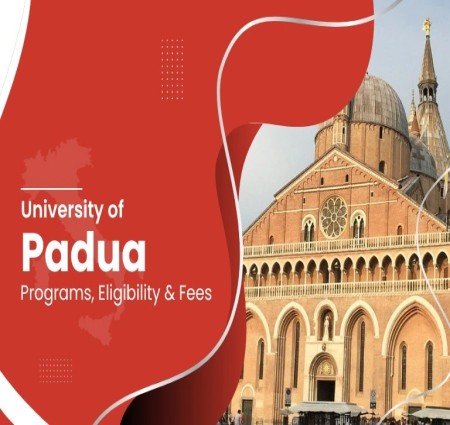
University of Padova Acceptance Rate: What Are Your Chances of Admission?

University of Padova Acceptance Rate: What Are Your Chances of Admission?
The University of Padova acceptance rate is an important topic for international students planning to study in Italy. Founded in 1222, the University of Padua is one of Europe's historic universities and offers a wide range of Bachelor's, Master's and doctoral programmes. However, the university does not publish one official acceptance-rate percentage that applies to every course. Admi... Read More
The University of Padova acceptance rate is an important topic for international students planning to study in Italy. Founded in 1222, the University of Padua is one of Europe's historic universities and offers a wide range of Bachelor's, Master's and doctoral programmes. However, the university does not publish one official acceptance-rate percentage that applies to every course. Admission competitiveness varies by programme, and some degrees have limited seats and specific selection procedures. Students should therefore check the requirements for their chosen course instead of relying only on a general acceptance-rate estimate. What Is the Acceptance Rate of the University of Padova? Some third-party education websites estimate the University of Padova acceptance rate at around 40%. However, this figure is not an official university statistic, so it should be treated cautiously. The university publishes admission calls, selection criteria and results for individual programmes rather than a single acceptance rate for the entire institution. These details help applicants understand how admission decisions are made. You can review the official University of Padua admissions results for programme-specific information. Is the University of Padova Difficult to Get Into? Getting into the University of Padova depends on the degree programme and the applicant's academic background. Some courses have open admission, while others restrict the number of students they can accept. For limited-access programmes, applicants may need to take an entrance test or compete through a ranking system. The university considers the criteria specified in each programme's admission notice. Your chances may depend on: Your previous academic performance and qualifications Whether your educational background meets the course requirements Entrance-test results, where applicable English or Italian language proficiency The number of available seats and the strength of the applicant pool Any additional documents or selection criteria required by the programme Meeting the minimum eligibility requirements does not necessarily guarantee admission to a programme with limited places. What Are the Admission Requirements for International Students? The University of Padova welcomes international applicants with qualifications obtained outside Italy. Requirements vary according to the degree level and selected programme. Bachelor's Degree Requirements Applicants generally need a recognised secondary school qualification based on at least 12 years of schooling. Students with fewer years of schooling may need additional academic study or another accepted qualification to meet the university's requirements. Some Bachelor's programmes require an entrance test or additional selection steps. Master's Degree Requirements Applicants usually need a recognised Bachelor's degree in a field relevant to the chosen Master's programme. The university assesses whether the previous qualification and academic background meet the programme's requirements. Depending on the course, students may need to submit transcripts, a CV, a motivation letter, proof of language proficiency or other supporting documents. For the most accurate information, check the official international student admission guide. Does the University of Padova Require IELTS? English-language requirements depend on the programme. Students applying to English-taught degrees may need to provide proof of English proficiency through an accepted test, such as IELTS, if required by the course. The minimum score and accepted alternatives can differ between programmes. Applicants should check the official course page before taking a language test or submitting an application. Students applying to Italian-taught courses may need to demonstrate Italian language proficiency according to the relevant admission rules. How Can You Improve Your Chances of Admission? A well-prepared application can help you demonstrate that you meet the university's academic and programme-specific requirements. Although no strategy can guarantee admission, the following steps can make your application stronger. Choose the right programme: Compare course content, eligibility rules, teaching language and selection criteria. Review your academic profile: Check whether your previous education matches the degree's requirements. Prepare documents early: Arrange transcripts, certificates, identification documents and any required supporting materials. Meet language requirements: Take an accepted English or Italian language test if the programme requires one. Prepare for entrance tests: Review the relevant admission notice for test formats, minimum scores and deadlines. Submit your application on time: Follow the university's application platform instructions and check all deadlines carefully. Students should also check whether their chosen programme has limited seats and whether additional selection stages apply. When Can International Students Apply to the University of Padova? Application dates depend on the programme and applicant category. For the 2027/28 academic year, the university states that the first application window for most degree programmes opened on 15 September 2026 and closes on 15 November 2026. Not every programme follows the same schedule. Applicants should confirm the relevant deadline on the official university website and check whether their chosen course has a separate admission call. How Can YES Italy Help You Apply? YES Italy supports students who want to pursue higher education in Italy. The guidance process can include profile evaluation, course and university selection, application assistance, scholarship information, document review, IELTS preparation, pre-enrolment guidance and student visa support. Before applying to the University of Padova, students can review their academic background against the requirements of their preferred programme and prepare the necessary documents. Final Thoughts The University of Padova acceptance rate should not be treated as a fixed percentage because the university does not publish one official figure for all its degree programmes. Admission depends on course-specific requirements, available places and selection procedures. International students should focus on choosing a suitable programme, checking the official admission notice and submitting a complete application before the deadline. For guidance on studying in Italy, YES Italy can help you understand the application process and explore suitable university options. Start by evaluating your academic profile and exploring the Italian universities that match your education goals. Get in touch :- Company name :- YES Italy Contact No :- 9353008300 Email :- [email protected] Address :- 5th floor 501, Crescent Business Square, Khairani Rd, opposite Andheri East, Nair Wadi, Saki Naka, Mumbai, Maharashtra 400072
Read Full Blog
[email protected] 15 Oct 2026 222 Views

Study in Italy: Courses, Universities, Fees & Scholarships

Study in Italy: Courses, Universities, Fees & Scholarships
Choosing to study in Italy can be an exciting opportunity for students who want to receive a quality international education while experiencing one of Europe's most culturally rich countries. Italy is known for its historic universities, modern academic programs, beautiful cities, and strong education system. Today, more students are considering study in Italy because of the availability of En... Read More
Choosing to study in Italy can be an exciting opportunity for students who want to receive a quality international education while experiencing one of Europe's most culturally rich countries. Italy is known for its historic universities, modern academic programs, beautiful cities, and strong education system. Today, more students are considering study in Italy because of the availability of English-taught programs, affordable public universities, and scholarship opportunities. Whether you are planning a Bachelor's degree, Master's degree, or specialised program, Italy offers courses across different academic fields. For students planning to begin their international education journey, understanding universities, admissions, costs, scholarships, and visa requirements is important. YES Italy provides guidance to students who want to explore suitable opportunities and understand the complete process. Why Should You Study in Italy? Italy offers a combination of quality education, international exposure, and a unique student experience. The country has several universities with a long academic history and a growing number of modern programs designed for international students. Students can choose from courses in Engineering, Business, Computer Science, Architecture, Design, Fashion, Medicine, Economics, Arts, and many other fields. Many universities now offer programs completely taught in English, making Italy accessible to students from different countries. Another important reason students choose Italy is the opportunity to experience European education while studying in a multicultural environment. Is Italy a Good Destination for International Students? Yes, study in Italy for international students can be a good option for those looking for internationally recognised education and diverse academic opportunities. Italian universities welcome students from different parts of the world. International students can interact with people from different cultures while developing their academic and professional skills. Italy also provides access to the wider European environment. Students can experience different cultures, explore historic cities, and gain international exposure during their education. Before choosing a university, students should carefully research the course curriculum, eligibility requirements, tuition fees, language requirements, and application deadlines. What Courses Can Students Study in Italy? Students have a wide range of academic options when studying in Italy. Italian universities offer undergraduate, postgraduate, and specialised programs across several disciplines. Popular courses include: Business and Management Computer Science and Information Technology Engineering Architecture Fashion and Design Economics and Finance Artificial Intelligence Data Science Medicine and Healthcare Arts and Humanities International Relations The availability of programs depends on the university and academic level. Students should choose a course based on their previous education, career goals, and interests. YES Italy helps students understand different course options and select programs that match their academic profile. How Affordable Is Studying Abroad in Italy? One of the reasons students consider studying abroad in Italy is the availability of public universities with comparatively affordable tuition fees. However, the total cost of education depends on several factors. Tuition fees can vary depending on the university, program, and student category. Living expenses also depend heavily on the city where a student lives. Major cities may have higher accommodation and daily living costs compared to smaller cities. Students should plan their budget for: University tuition fees Accommodation Food and daily expenses Health insurance Travel Study materials It is important to research the complete cost before applying. Students should avoid making decisions based only on tuition fees and consider their overall living expenses as well. Are Scholarships Available for Students in Italy? Scholarships can play an important role for students planning to study in Italy. Different scholarship opportunities may be available through universities, regional authorities, government programs, and other organisations. Eligibility and benefits vary depending on the scholarship. Some opportunities may provide financial assistance towards tuition fees, while others may include additional support based on specific eligibility requirements. Students should always check the latest official requirements, deadlines, and documentation before applying for a scholarship. YES Italy guides students through the process of understanding available scholarship opportunities and preparing the required applications and documents. What Are the Admission Requirements to Study in Italy? Admission requirements vary depending on the university, course, and level of study. Students applying for a Bachelor's program generally need to meet requirements related to their previous school education. For Master's programs, universities usually consider the applicant's Bachelor's degree and academic background. Some programs may also have specific subject requirements. Common documents may include academic transcripts, certificates, a passport, curriculum vitae, statement of purpose, recommendation letters, and language proficiency documents where required. What Documents Are Required for University Applications? Students should carefully check the requirements of each university because documents can vary. Preparing documents early can help avoid delays during the application process. YES Italy provides support with profile evaluation, university selection, application guidance, and document preparation for students planning their journey. Can Indian Students Study Abroad in Italy? Yes, study abroad in Italy for Indian students is becoming increasingly popular. Students from India can apply to Italian universities if they meet the eligibility and admission requirements of their chosen program. Indian students should begin planning early because university applications, document preparation, scholarship deadlines, and visa procedures may take time. Choosing the right university is especially important. Students should consider factors such as the course curriculum, university requirements, city, estimated living costs, and career opportunities. Proper planning can make the application process more organised and help students prepare for each stage of their study abroad journey. What Is Student Life Like When Studying in Italy? Student life in Italy offers much more than classroom learning. Students can experience Italian culture, food, history, art, and architecture while pursuing their education. Universities often provide opportunities to participate in student activities and interact with international communities. Living independently in another country can also help students develop confidence and important life skills. When studying in Italy, students should learn about local culture, transportation, accommodation options, and university facilities before arriving. Planning accommodation early and understanding the cost of living can help students settle more comfortably. How Can YES Italy Help Students? The process of applying to a university in another country can involve several important stages. Students may need help understanding their profile, selecting suitable courses, preparing applications, exploring scholarships, and completing the student visa process. YES Italy specialises in guiding students who want to pursue education in Italy. The team provides support throughout different stages of the study abroad journey, including profile evaluation, course selection, university applications, scholarship guidance, and Italy student visa assistance. Personalised guidance can help students better understand their options and prepare their applications carefully. Is Studying in Italy the Right Choice for You? Studying in Italy can be an excellent choice for students looking for international education, diverse academic programs, and a unique cultural experience. However, choosing the right university and course requires proper research and planning. Students should compare programs, understand admission requirements, calculate their expected costs, and check scholarship opportunities before making a decision. For students interested in study in Italy, starting the preparation process early can provide more time to research universities and prepare the required documents. With proper planning and expert guidance from YES Italy, students can take informed steps towards achieving their goal of studying abroad in Italy. Get in touch :- Company name :- YES Italy Contact No :- 9353008300 Email :- [email protected] Address :- 5th floor 501, Crescent Business Square, Khairani Rd, opposite Andheri East, Nair Wadi, Saki Naka, Mumbai, Maharashtra 400072
Read Full Blog
[email protected] 14 Oct 2026 165 Views

What Scholarships Are Available for Master's in Italy?

What Scholarships Are Available for Master's in Italy?
Italy is becoming an increasingly popular destination for international students who want to pursue a Master's degree in Europe. The country offers high-quality education, internationally recognized universities, English-taught programs, and a rich cultural experience. One of the biggest advantages of choosing Italy is the availability of financial support for eligible students. Masters schola... Read More
Italy is becoming an increasingly popular destination for international students who want to pursue a Master's degree in Europe. The country offers high-quality education, internationally recognized universities, English-taught programs, and a rich cultural experience. One of the biggest advantages of choosing Italy is the availability of financial support for eligible students. Masters scholarships in Italy can help international students manage tuition fees and living expenses while pursuing their academic goals. Students can find different types of scholarships depending on their university, region, academic background, financial situation, and chosen program. Understanding the available options and application process can make it easier to plan your Master's education in Italy. What Are Masters Scholarships in Italy? Masters scholarships in Italy are financial support opportunities designed to help students pursue postgraduate education at Italian universities. Scholarships may be offered by the Italian government, regional authorities, universities, or other organizations. The benefits can vary depending on the scholarship. Some scholarships provide a tuition fee waiver, while others may offer financial assistance for accommodation, meals, and living expenses. Students should carefully check the eligibility requirements and benefits before applying. For international students, an Italy master scholarship can make studying abroad more affordable. However, scholarship availability and eligibility conditions may differ from one university and region to another. What Types of Scholarships for Master's in Italy Are Available? Students searching for Scholarships for Master's in Italy can explore several funding opportunities. The most suitable option depends on individual eligibility and the university where the student receives admission. Regional Scholarships Regional scholarships are among the popular options available to eligible students studying at public universities in Italy. These scholarships are generally administered by regional authorities and may consider financial and academic requirements. Depending on eligibility and the applicable rules, regional support may include benefits related to tuition, accommodation, meals, or financial assistance. Requirements can vary based on the region and the student's individual circumstances. University Scholarships Many Italian universities offer scholarships for international and domestic students. A university scholarship may be based on academic merit, specific program requirements, or other criteria established by the institution. Students should review the official scholarship information provided by their chosen university because deadlines, documents, and eligibility requirements can change. Government Scholarships The Italian government also offers scholarship opportunities for eligible international students under specific programs. These opportunities may support students pursuing higher education and research in Italy. Students interested in an italy master scholarship should always check official requirements, eligible countries, academic criteria, and application deadlines before applying. Can International Students Get Masters Scholarships in Italy? Yes, international students may be eligible for masters scholarships in Italy. Italy offers several funding opportunities for students from different countries. However, receiving a scholarship is not automatic. Students usually need to meet specific eligibility criteria. These may include academic qualifications, admission to an eligible university or program, financial documentation, residency requirements, or other scholarship-specific conditions. Students should begin researching scholarship opportunities early because some applications have separate deadlines from university admission applications. YES Italy helps students understand the study options available in Italy and provides guidance related to university admissions, scholarships, and the Italy student visa process. Proper planning can help students identify suitable opportunities based on their academic profile. How Can I Apply for a Master Degree in Italy Scholarship? The process for applying for a master degree in italy scholarship depends on the scholarship provider. However, students generally need to follow a structured process. The first step is selecting a suitable Master's program and university. After reviewing program eligibility, students can prepare their university application and check available scholarship opportunities. Applicants may be asked to provide documents such as academic transcripts, degree certificates, passport copies, admission documents, financial documents, and other supporting records. The exact document requirements can differ depending on the scholarship. It is important to submit accurate information and complete documents before the deadline. Missing or incorrect documentation may affect the application. Students can seek guidance from YES Italy for understanding the admission and scholarship application process. Professional guidance can help students organize their documents and understand the different stages involved in planning their education in Italy. Is There a Fully Funded Scholarship in Italy for Master's Students? Students often search for a Fully funded scholarship in Italy for Master's programs. Funding opportunities can provide different levels of financial support, but students should carefully understand what each scholarship covers. The term "fully funded" may be used differently depending on the scholarship program. Some scholarships may cover tuition fees and provide additional financial support, while others may offer only partial assistance. Before applying, students should check whether the scholarship covers tuition, accommodation, meals, health-related expenses, or living costs. They should also understand whether the scholarship amount is sufficient for their personal expenses. Reading the official scholarship terms is essential before making financial decisions about studying abroad. What Are the Eligibility Requirements for a Master in Italy Scholarship? Eligibility requirements for a master in italy scholarship depend on the university, government program, or regional authority offering the funding. Common factors that may be considered include: Academic qualifications and previous degree Admission to an eligible Master's program Financial eligibility for need-based scholarships Required application documents Nationality or residency conditions Meeting application deadlines Students should not assume that the same eligibility criteria apply to every scholarship. Each opportunity has its own requirements, and applicants should carefully review the official information. When Should I Apply for Masters Scholarships in Italy? Students should ideally start planning their scholarship applications several months before their intended intake. Early planning provides enough time to research universities, select a suitable course, prepare documents, and understand scholarship deadlines. University admission and scholarship applications may have different timelines. Some scholarships require students to receive admission first, while others may allow applications during the admission process. Students looking for masters scholarships in italy for international students should create a clear timeline covering university applications, scholarship deadlines, document preparation, and visa requirements. Why Should You Choose Italy for Your Master's Degree? Italy offers an excellent combination of quality education, international exposure, and a diverse selection of Master's programs. Students can choose from subjects such as business, engineering, design, technology, economics, science, arts, and many other fields. Italian universities offer programs in English, making the country accessible to international students. Students also have the opportunity to experience Italy's history, culture, food, and lifestyle while completing their education. With the availability of scholarships and financial support opportunities for eligible students, Italy can be an attractive destination for postgraduate studies. Get Guidance for Your Master's Journey in Italy with YES Italy Finding the right university and understanding scholarship opportunities can feel challenging, especially for first-time international applicants. YES Italy specializes in Italian education and supports students with profile evaluation, course selection, university applications, scholarship guidance, and Italy student visa assistance. Students can explore suitable Master's programs and understand the available funding opportunities based on their individual profile. Since scholarship requirements and deadlines can vary, it is always important to verify the latest information from official sources. If you are planning to pursue a Master's degree abroad, start researching masters scholarships in Italy early and prepare your application carefully. With the right planning and proper guidance from YES Italy, you can take an informed step toward achieving your study abroad goals. Get in touch :- Company name :- YES Italy Contact No :- 9353008300 Email :- [email protected] Address :- 5th floor 501, Crescent Business Square, Khairani Rd, opposite Andheri East, Nair Wadi, Saki Naka, Mumbai, Maharashtra 400072
Read Full Blog
[email protected] 13 Oct 2026 146 Views

Blog Catgories