Company Logo

mouth-health-signs

WEFRU6344240806202
Scan to visit website

Scan QR code to visit our website

Blog by mouth-health-signs | Digital Diary

" To Present local Business identity in front of global market"

Meri Kalam Se
Digital Diary Submit Post mouth-health-signs

The Surprising Link Between Gum Health and Heart Health

The Surprising Link Between Gum Health and Heart Health
Most people think of gum disease, if they think of it at all, as a purely local problem. Sore gums, a bit of bleeding when brushing, perhaps bad breath. Something that stays in the mouth and, at worst, threatens a few teeth. The idea that the state of someone's gums might have anything to do with their heart sounds far-fetched. Yet it's one of the most studied connections in modern medicin... Read More
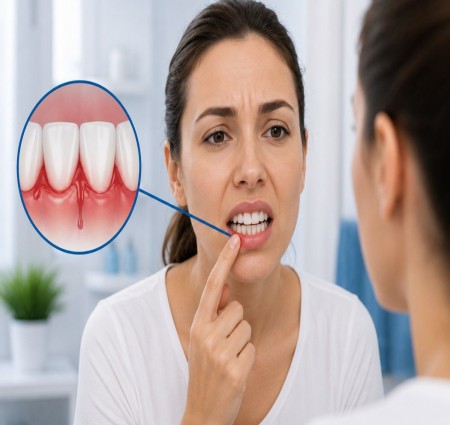
Most people think of gum disease, if they think of it at all, as a purely local problem. Sore gums, a bit of bleeding when brushing, perhaps bad breath. Something that stays in the mouth and, at worst, threatens a few teeth. The idea that the state of someone's gums might have anything to do with their heart sounds far-fetched. Yet it's one of the most studied connections in modern medicine. Researchers have spent two decades examining the relationship between gum disease and cardiovascular health, and while the picture is still being refined, the association is well established. The mouth, it turns out, is not sealed off from the rest of the body, and what happens in the gums can reflect and possibly influence what happens well beyond them. Here's what the connection actually involves, and why looking after gums is worth more than a nice smile. What Gum Disease Actually Is To understand the link, it helps to know what gum disease really involves, because it's more than sore gums. Gum disease begins as gingivitis, an inflammation of the gums caused by a build-up of bacterial plaque along the gumline. At this early stage it's reversible, and the main sign is gums that bleed easily and look red or swollen. Left untreated, it can progress to periodontitis, where the inflammation spreads deeper and the bacteria collect in pockets below the gumline. In periodontitis, the body's immune response to those bacteria begins to break down the bone and tissue that hold teeth in place. It's a chronic, low-grade infection and inflammation that can persist for years. That word, inflammation, is the key to the whole heart connection. How the Mouth and Heart Are Connected The link between gum disease and cardiovascular health is thought to work through a few plausible mechanisms, and inflammation sits at the centre of them. Chronic gum disease means the body is dealing with persistent inflammation and a constant low-level bacterial presence. Inflammation is also central to cardiovascular disease, playing a role in the process by which arteries narrow and harden. The leading theory is that the sustained inflammation associated with gum disease may contribute to inflammation elsewhere in the body, including the blood vessels. There's also the matter of the bacteria themselves. The mouth's bacteria can enter the bloodstream through inflamed, bleeding gum tissue, and researchers have found oral bacteria in arterial plaques elsewhere in the body. Whether they actively contribute to the damage or are simply present is still being studied, but their presence illustrates how the mouth connects to the wider system. It's important to be accurate about what this means. The research shows a strong association, meaning people with gum disease have a higher likelihood of cardiovascular problems, but association is not the same as direct proof that one causes the other. The two conditions also share common risk factors, such as smoking, which complicates the picture. Still, the connection is consistent enough that gum health is now widely regarded as part of general health rather than a separate concern. Why This Makes Gum Disease Worth Taking Seriously Whatever the precise mechanism, the practical message is clear: gum disease is not a trivial, mouth-only issue to be shrugged off. That reframing matters because gum disease is both common and easy to ignore in its early stages. It's often painless until it's advanced, and the early warning sign, bleeding when brushing, is exactly the thing most people dismiss. Treating it as a whole-body health matter rather than a cosmetic nuisance gives it the attention it deserves. The encouraging flip side is that gum disease is largely preventable and, caught early, reversible. Looking after the gums is one of the more achievable things a person can do for their long-term health, and it costs very little. For reliable, non-commercial information on gum disease and oral health, Healthdirect, the Australian Government's health information service, is a trustworthy place to read more. How to Protect Gum Health The good news is that protecting the gums comes down to a handful of consistent, unremarkable habits. Cleaning between the teeth every day is the single most underused step, and one of the most important. Brushing alone can't reach the surfaces between teeth or below the gumline where gum disease starts, so daily flossing or interdental brushing genuinely matters here. Brushing twice a day with a soft brush and fluoride toothpaste, angling the bristles gently towards the gumline where plaque gathers, removes the plaque before it can harden and inflame the gums. Doing this properly, for the full two minutes, does most of the work. Not smoking makes a substantial difference, since smoking is a major risk factor for gum disease and masks the warning signs by reducing bleeding, allowing the disease to advance unnoticed. And regular professional cleaning removes the hardened tartar that brushing can't shift, the deposits that sit below the gumline and keep the inflammation going. This is why routine dental visits are central to gum health rather than optional. Anyone noticing bleeding gums, persistent bad breath or gums that look red and swollen would be wise to have them assessed rather than waiting. A practice such as Appin Dental Surgery, a trusted dental clinic near Picton, can measure gum health, remove the tartar driving any inflammation, and advise on the technique adjustments that keep gums healthy for the long term. The Takeaway The connection between gum health and heart health is a useful reminder that the body doesn't operate in isolated compartments. Gum disease is a chronic inflammatory condition, and its association with cardiovascular health means healthy gums are worth far more than a pleasant smile. While the research continues to refine exactly how the two are linked, the practical response is refreshingly simple and entirely within reach: clean between the teeth daily, brush properly, avoid smoking, and keep up regular dental visits. Looking after the gums is a small, everyday habit with benefits that may reach well beyond the mouth, which makes it one of the more worthwhile investments in overall health a person can make.
Read Full Blog
[email protected] 04 Aug 2026 14 Views

What Your Mouth Is Quietly Telling You About the Rest of Your Health

What Your Mouth Is Quietly Telling You About the Rest of Your Health
We tend to think of the mouth as its own sealed department. Teeth over here, the rest of your health over there, and never the two shall meet. Dentists deal with cavities, doctors deal with everything else. That division is convenient and largely wrong. The mouth is one of the most revealing windows into overall health that exists, which is why dentists sometimes spot the first signs of a problem... Read More
We tend to think of the mouth as its own sealed department. Teeth over here, the rest of your health over there, and never the two shall meet. Dentists deal with cavities, doctors deal with everything else. That division is convenient and largely wrong. The mouth is one of the most revealing windows into overall health that exists, which is why dentists sometimes spot the first signs of a problem that has nothing obviously to do with teeth. The tissues in your mouth respond to what's happening in the rest of your body, often early and often visibly. Here's what your mouth can quietly reveal, and why the six-monthly dental check is doing more general-health work than most people realise. Bleeding Gums and Blood Sugar Start with one of the best-established connections: gum disease and diabetes. The relationship runs both ways. High blood sugar makes gum disease worse and harder to control, and severe gum inflammation can in turn make blood sugar harder to manage. Because of this two-way link, dentists sometimes see signs suggesting a patient's blood sugar may be poorly controlled, or occasionally spot gum disease severe or persistent enough that undiagnosed diabetes is worth ruling out with their GP. Gums that are repeatedly inflamed, slow to heal, or prone to abscesses despite decent oral care can be one of the body's quieter flags. It's not a diagnosis a dentist makes, but it can be the nudge that sends someone to get their blood sugar checked. Tooth Erosion and What's Happening in Your Stomach The pattern of wear on teeth tells a story, and one particular pattern points away from the mouth entirely. When the enamel on the inner surfaces of the upper front teeth, the side facing the tongue, is worn smooth and thin while the outer surfaces look relatively fine, dentists take note. That specific distribution is often caused by stomach acid reaching the mouth, which can point to acid reflux, sometimes silent reflux the person didn't know they had. Reflux that shows up as dental erosion is worth taking seriously, because chronic acid exposure affects more than teeth. A dentist noticing this pattern may be the first to suggest getting the underlying reflux looked at, which matters for the oesophagus as well as the enamel. Dry Mouth, Medications and More A persistently dry mouth is easy to dismiss as trivial, but it's both a cause of dental problems and a possible signal in itself. Saliva does a lot of quiet work: neutralising acid, washing away food, and keeping bacteria in check. When it dries up, decay and gum problems accelerate, which is why dry mouth matters dentally. But the causes reach well beyond the mouth. Dozens of common medications cause it as a side effect, so a newly dry mouth can prompt a useful conversation about what someone's taking. Certain medical conditions and autoimmune disorders also reduce saliva, so persistent unexplained dryness is worth mentioning to a doctor as well as a dentist. Mouth Ulcers, Patches and the Things Worth Watching The soft tissues of the mouth, the tongue, cheeks, gums and palate, reflect general health in several ways. Recurring mouth ulcers can sometimes relate to nutritional deficiencies, such as low iron, vitamin B12 or folate, or occasionally to underlying conditions. A sore, swollen or unusually smooth tongue can also point to deficiencies. Persistent white or red patches that don't clear up are important for a different reason: they're among the things a dentist checks for during the soft-tissue part of an examination, because early detection of oral cancers dramatically improves outcomes. This soft-tissue check takes about a minute and is one of the genuinely valuable, under-appreciated parts of a routine dental visit. For most people, it's the only time all year a trained clinician deliberately examines these tissues. Stress, Grinding and Sleep Your mouth also carries the marks of how you're living, not just your medical conditions. Worn, flattened teeth, a sore jaw and fine cracks in the enamel point to grinding and clenching, which is strongly tied to stress and is usually unconscious and nocturnal. Many people learn they're under more strain than they'd admit from what their teeth are doing at night. There's a sleep connection too. Grinding often travels with disrupted sleep and, in some cases, with signs that prompt a dentist to ask about snoring or daytime tiredness. Features like a scalloped tongue or particular wear patterns can occasionally be part of a bigger picture worth investigating, sometimes leading to a conversation about sleep quality that the person hadn't connected to their mouth at all. For reliable, non-commercial background on the links between oral health and general health, Healthdirect, the Australian Government's health information service, is a trustworthy place to read more. Why This Makes the Check-Up More Valuable Than It Looks Put all this together and the routine dental visit starts to look less like a teeth-cleaning appointment and more like a broad health check that happens to centre on the mouth. In the course of a normal examination, a dentist is reading the gums, the wear patterns, the soft tissues, the amount of saliva, and the overall picture, and any of these can surface something that matters beyond your teeth. None of it replaces seeing your doctor, and a good dentist is careful to refer rather than diagnose outside their lane. But as an early-warning system, the mouth is remarkably informative, and the person looking into it twice a year is well placed to notice when something has changed. That's a strong argument for not skipping check-ups even when your teeth feel fine. You're not just having your teeth checked; you're giving a trained clinician a regular look at one of the body's more honest windows. If you're overdue, a practice such as Bradbury Dental Surgery, an experienced dental team in Campbelltown, can give your mouth the kind of thorough look that catches both the dental problems and the occasional signal of something worth following up elsewhere. The Takeaway Your mouth and the rest of your body aren't separate systems, and the signs the mouth shows, inflamed gums, eroded enamel, a dry mouth, worn teeth, changes in the soft tissues, can reflect what's happening well beyond it. Diabetes, reflux, stress, nutritional gaps and more can all leave traces a dentist is trained to spot. So the next time a dental visit feels like something you can put off, remember what it actually is: a regular, close look at a part of you that tends to tell the truth about the rest. That's worth keeping up, teeth trouble or not.
Read Full Blog
[email protected] 04 Aug 2026 26 Views

Blog Catgories