
Bradbury Dental Surgery
Follow Us:
Pinterest
|
|
|
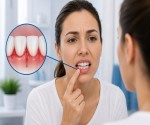
We tend to think of the mouth as its own sealed department. Teeth over here, the rest of your health over there, and never the two shall meet. Dentists deal with cavities, doctors deal with everything else. That division is convenient and largely wrong. The mouth is one of the most revealing windows into overall health that exists, which is why dentists sometimes spot the first signs of a problem Read More |

mouth-health-signs
Scan QR code to visit our website
Bradbury Dental Surgery
Show Email_id
Show Id
Scan QR code to visit our website
Contact Us / Feedback [ Wefru ]
Products / Services
No products or services available.
FAQ
Can a Dentist Really Detect Health Problems Beyond My Teeth?
Yes, to a point. A dentist can spot signs in the mouth that may point to issues elsewhere, such as gum changes linked to blood sugar, enamel erosion suggesting acid reflux, or soft-tissue changes worth investigating. Importantly, a dentist doesn't diagnose these conditions. What they do is notice the signs and refer you to your GP or doctor for proper assessment, which is often how something gets caught early.
How Often Should I Have a Dental Check-Up?
For most people, every six months is the standard recommendation, though some with excellent oral health may be advised twelve months, and others with higher risk may need to go more often. Your dentist sets the right interval based on your individual mouth. Regular visits matter even when nothing hurts, because many dental and health signals appear long before they cause any symptoms.
Does Dry Mouth Actually Matter, or Is It Just Annoying?
It matters more than people think. Saliva protects your teeth by neutralising acid and controlling bacteria, so a persistently dry mouth speeds up decay and gum problems. It can also be a side effect of many common medications or, less often, a sign of an underlying condition. If your mouth is regularly dry for no obvious reason, it's worth raising with both your dentist and your doctor.
What Does Teeth Grinding Have to Do With My General Health?
Grinding, usually unconscious and happening during sleep, is strongly associated with stress, and the wear it leaves on teeth can be the first visible clue that someone is under more strain than they realise. It can also travel alongside disrupted sleep. A dentist who spots the tell-tale wear may ask about stress, snoring or tiredness, occasionally opening a useful conversation about sleep quality that hadn't been connected to the mouth at all.
Videos
No videos available.
Doctor Time
| No schedule found. Call us: +91 7452 9999 88 |
Ratings and Reviews
Your Review is very important for us. Please describe above why you like or dislike.